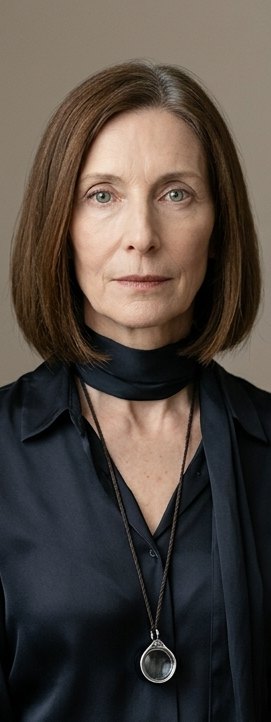
Beatrice Corwin
Art appraiser, New York · 60
Her eye is never wrong. She works in nitrile gloves with a loupe around her neck, and for forty years she has avoided one name.
A novel · Spoleto and New York
The hand that paints
is not always the hand that signs.
The book
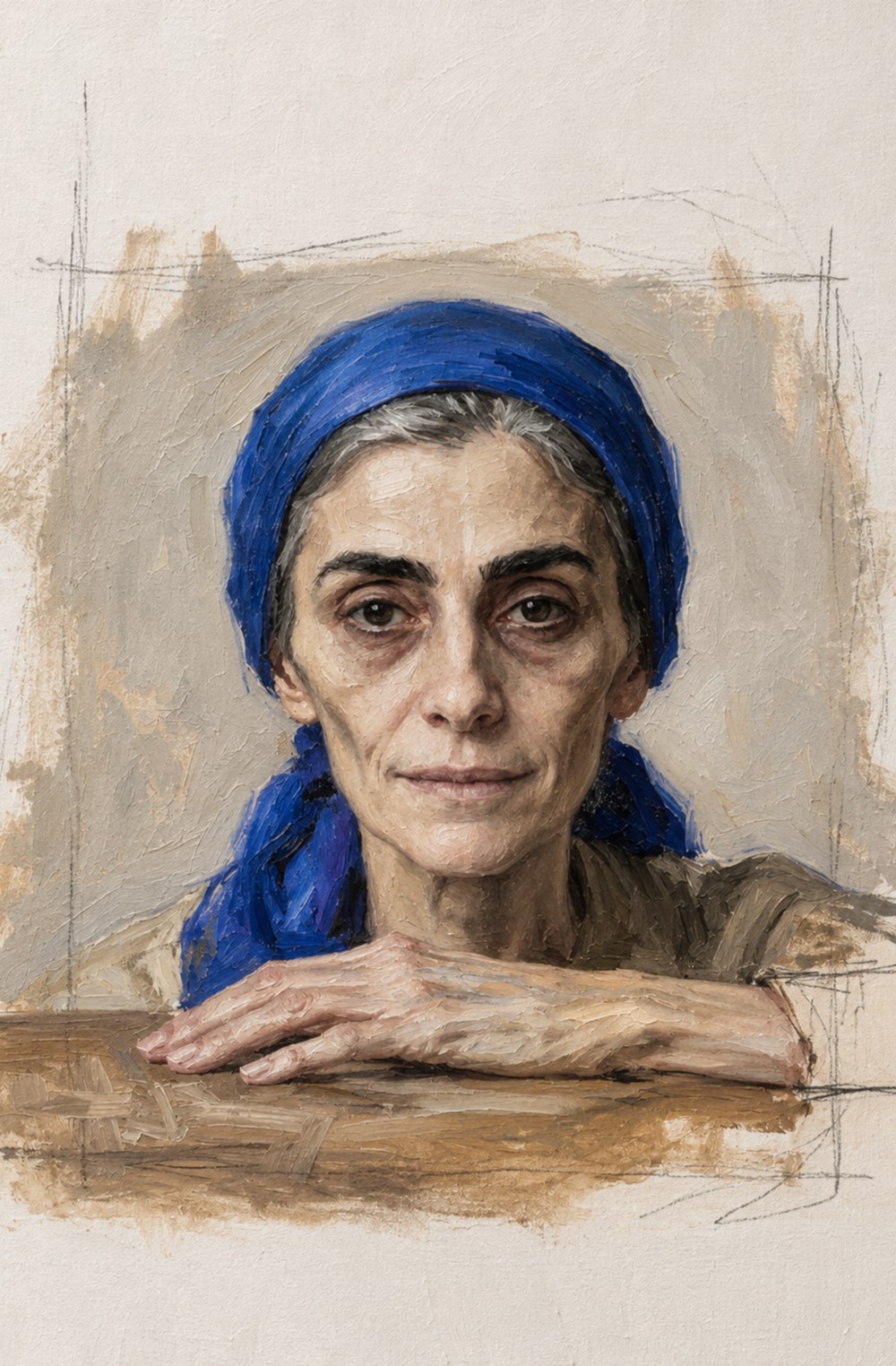
Beatrice Corwin is sixty, with a name that settles any appraisal in New York, and a past she has never told anyone.
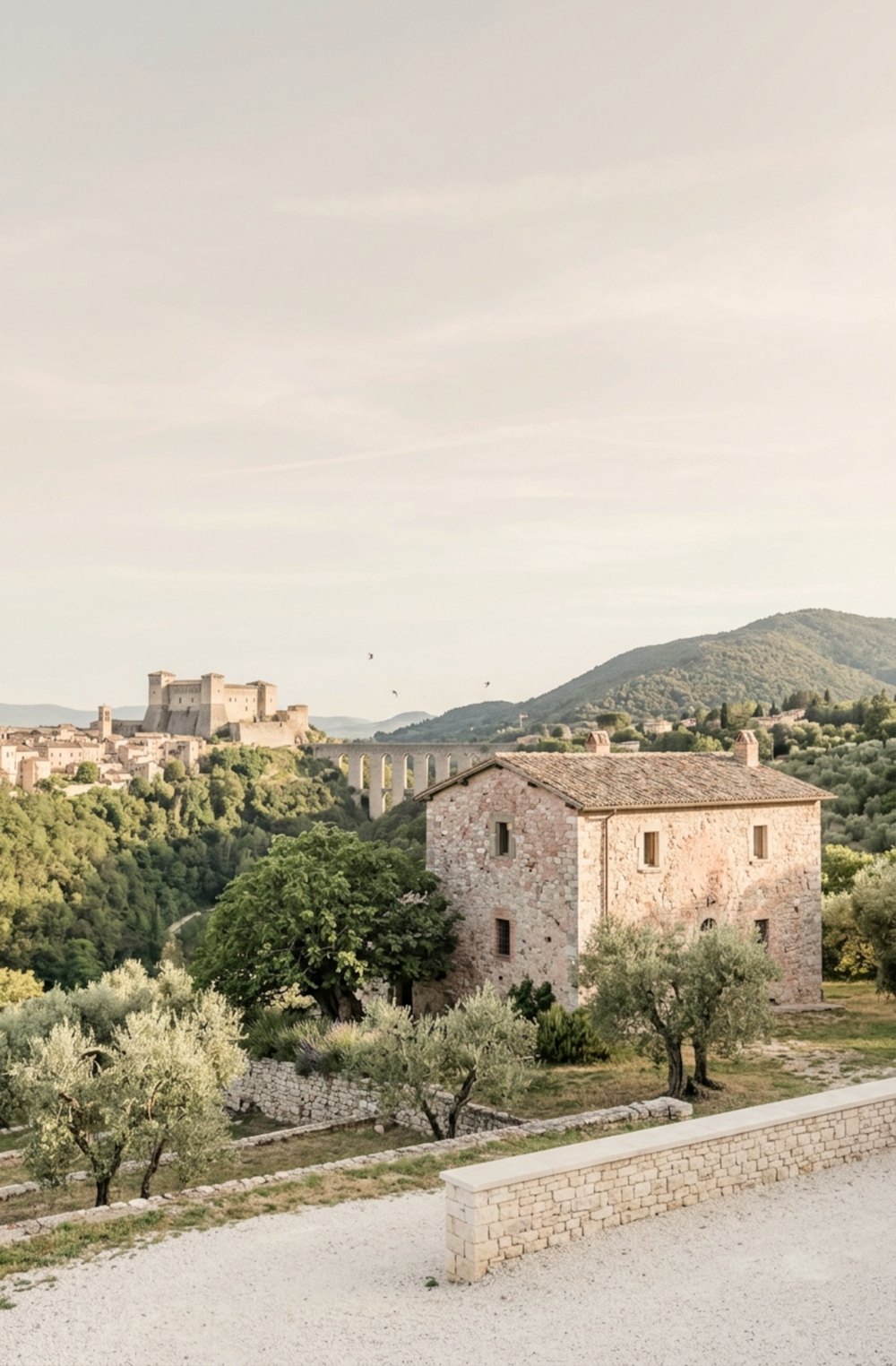
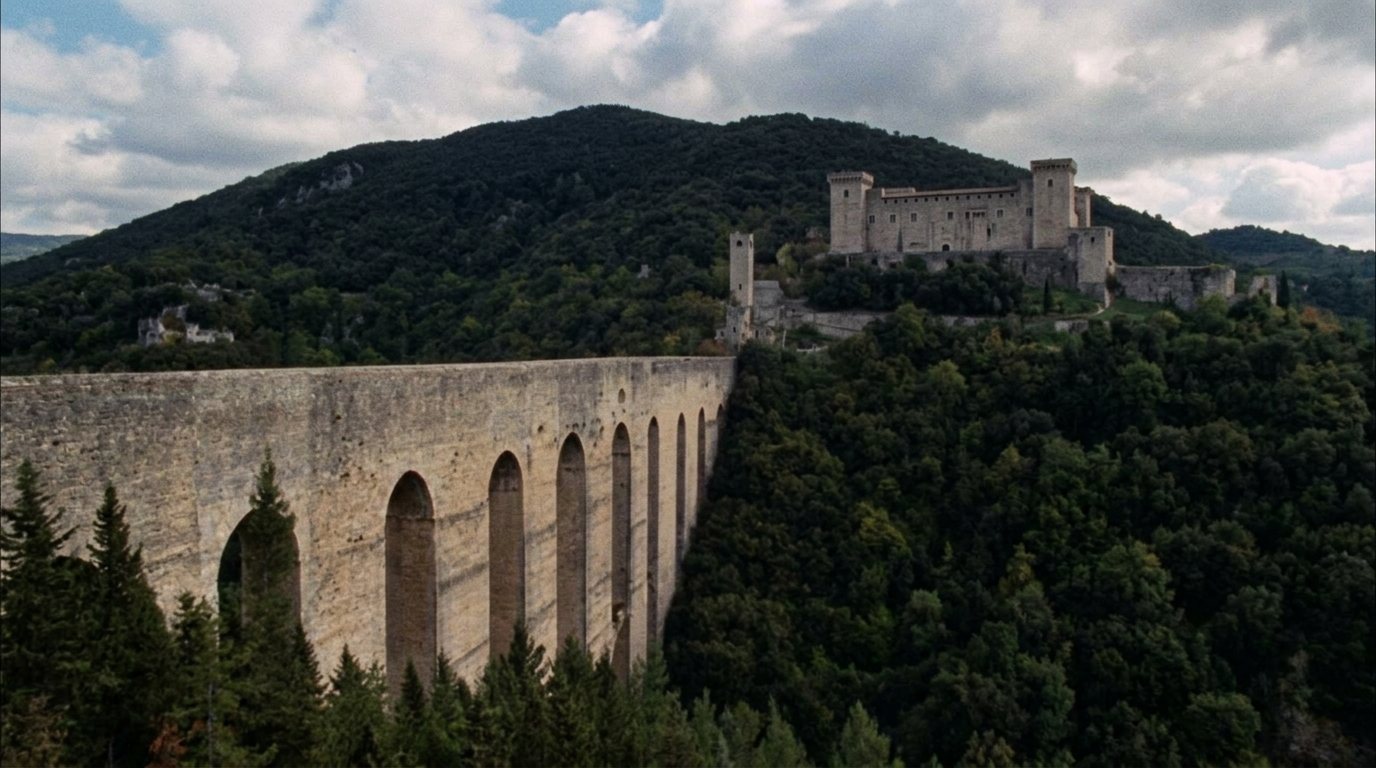
When the dealer Arthur Sterling hires her to authenticate the collection of Julian Vanderlayne, an American painter who died in Italy, Beatrice says yes, despite the name of the town: Spoleto. In the old olive mill on the hill, among canvases crated for auction, she recognizes a hand. It isn't Julian's.
That same evening she meets the man who appraised the collection before her. They agree to meet the next day. He never shows up.
From the rooms of a villa that smells of turpentine and wax, to the trains to Rome in the eighties, to the galleries of New York, Ghost Painter is the story of a painting, a signature, and a silence that lasted forty years.
“A hand doesn’t lie. A signature does.”
For readers of Kate Morton, Ruth Ware, and Riley Sager: two eras, one villa, a secret kept in the paint.
Read the opening
Spoleto, Friday, May 22, 2026, 11:40 p.m.
“…It’s not a threat. It’s just math.”
He said it quietly, in English. He was an American in his sixties, sitting on the edge of the bed with the phone to his ear and one elbow propped on his knee. He wore a dark blue shirt and dark trousers, his shoes still on.
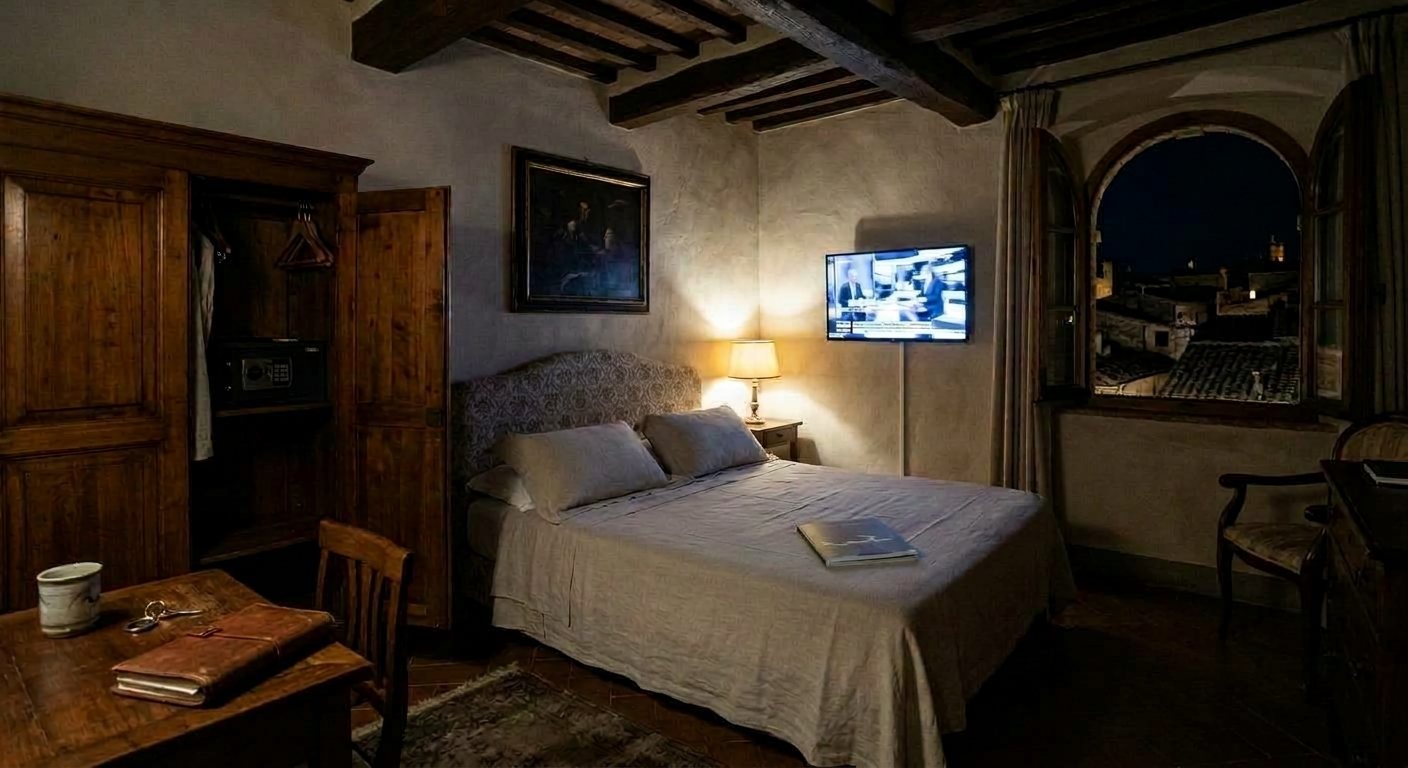
The room was in an old palazzo, under heavy beams of dark wood that the big overhead light turned almost the color of honey; by the bed, a lamp drew a yellow circle on the nightstand. Beyond the windowpanes, the black line of the rooftops.
On the nightstand to the right rested a brown leather notebook, worn at the corners. On the bed, a little way from the man, the catalog of a Barry Flanagan exhibition lay open face down, showing on its cover the photograph of a bronze hare. From the back of the chair by the wardrobe hung a beige linen jacket, creased at the shoulders.
The man listened without moving, his elbow still on his knee.
“I know what it says,” he said then, in the same even voice. “I wrote it.”
While the other voice talked, he turned his head and looked toward the window. Beyond the rooftops, a few lights, far away.
“Today I found out I’m not the only one who knows.”
The rest is in the book.
Characters
Hover over a portrait (or tap it) to meet the character. No spoilers: only what you learn in the first pages.
Art appraiser, New York · 60
Her eye is never wrong. She works in nitrile gloves with a loupe around her neck, and for forty years she has avoided one name.
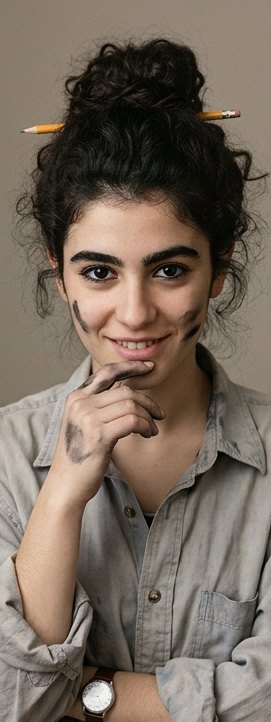
Rome, 1985 · 19
A student at the Academy of Fine Arts. She comes in from Spoleto on the 7:05 train, with charcoal on her fingers and a talent no one can ignore.
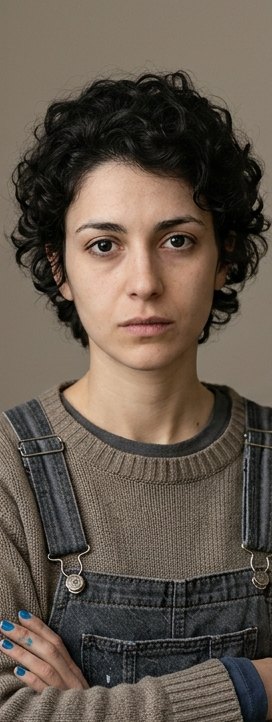
The younger daughter · 26
She studies painting in Rome and stayed by her mother's side to the end. She has paint under her nails and says things only once.

The older daughter · 36
Witty, elegant, always on her phone. She sold her father's collection.
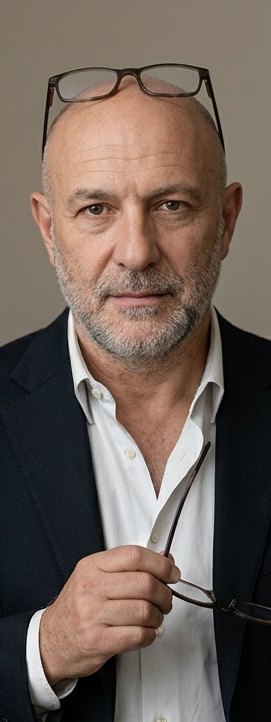
Police chief, Spoleto · 59
In his last year before retirement. He listens more than he talks, and he doesn't trust people whose answers are too precise.

Art dealer, New York
“The market doesn’t buy paintings, Mrs. Corwin. It buys signatures.”
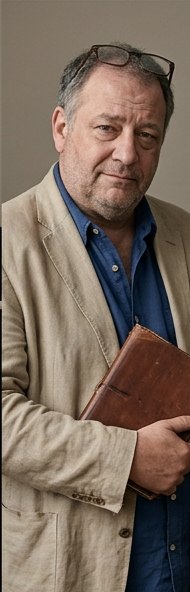
The first appraiser
Brilliant, wry, never without his leather notebook.
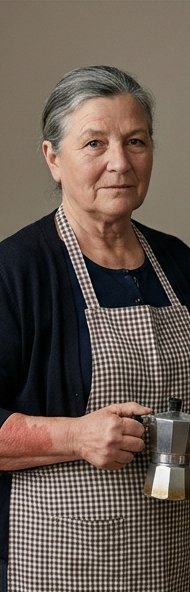
Housekeeper at the olive mill
The memory of the house. The moka pot always on the stove.

Beatrice's husband
Kind, distracted. He asks two questions at once and doesn't wait for the answer to the first.
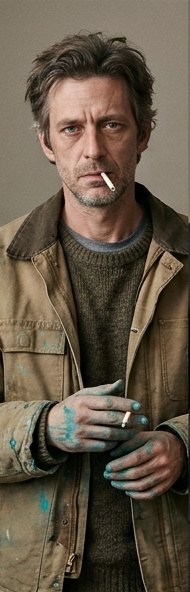
American painter · 1987
Success in SoHo, then three years without painting. He comes to Spoleto looking for inspiration.

Beatrice's father · Rome, 1986
A diplomat at the American embassy. Courteous, distant.
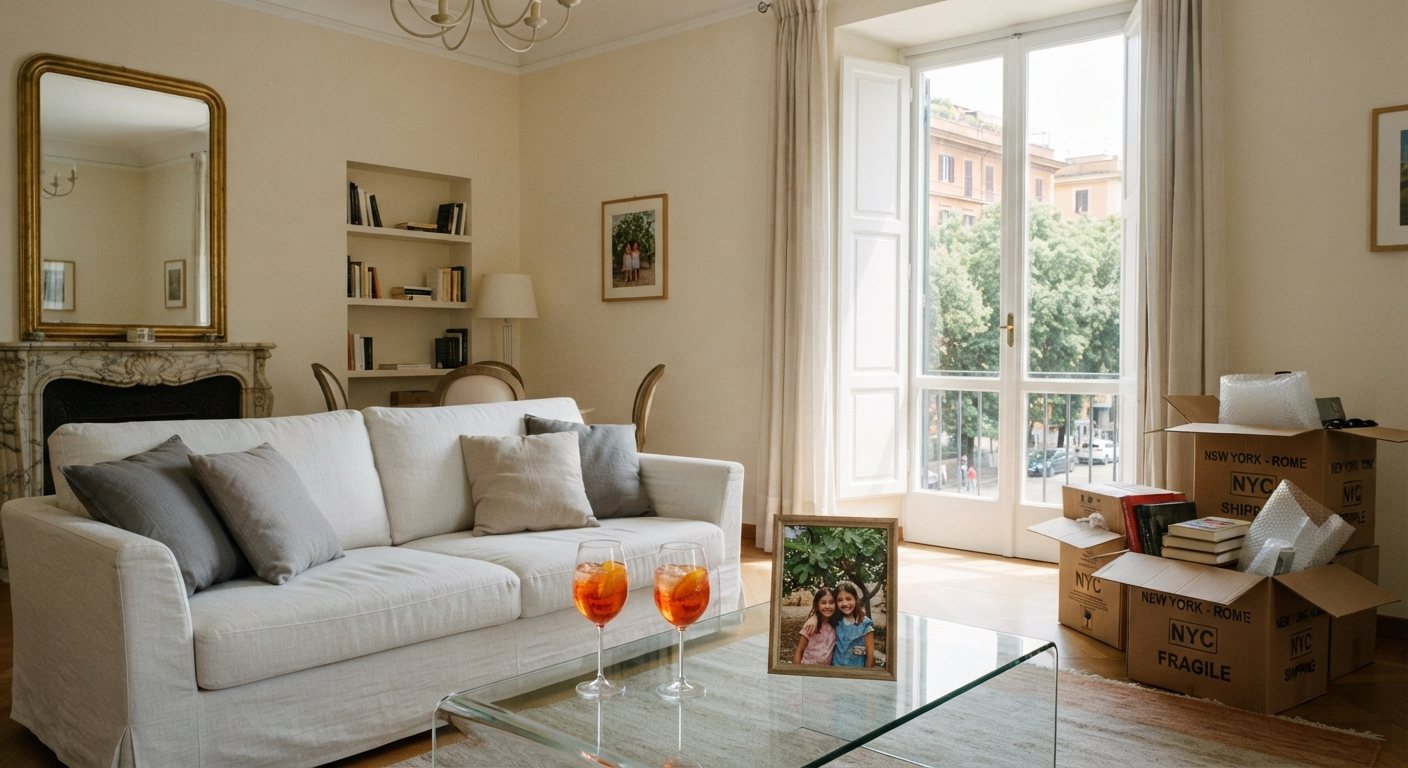
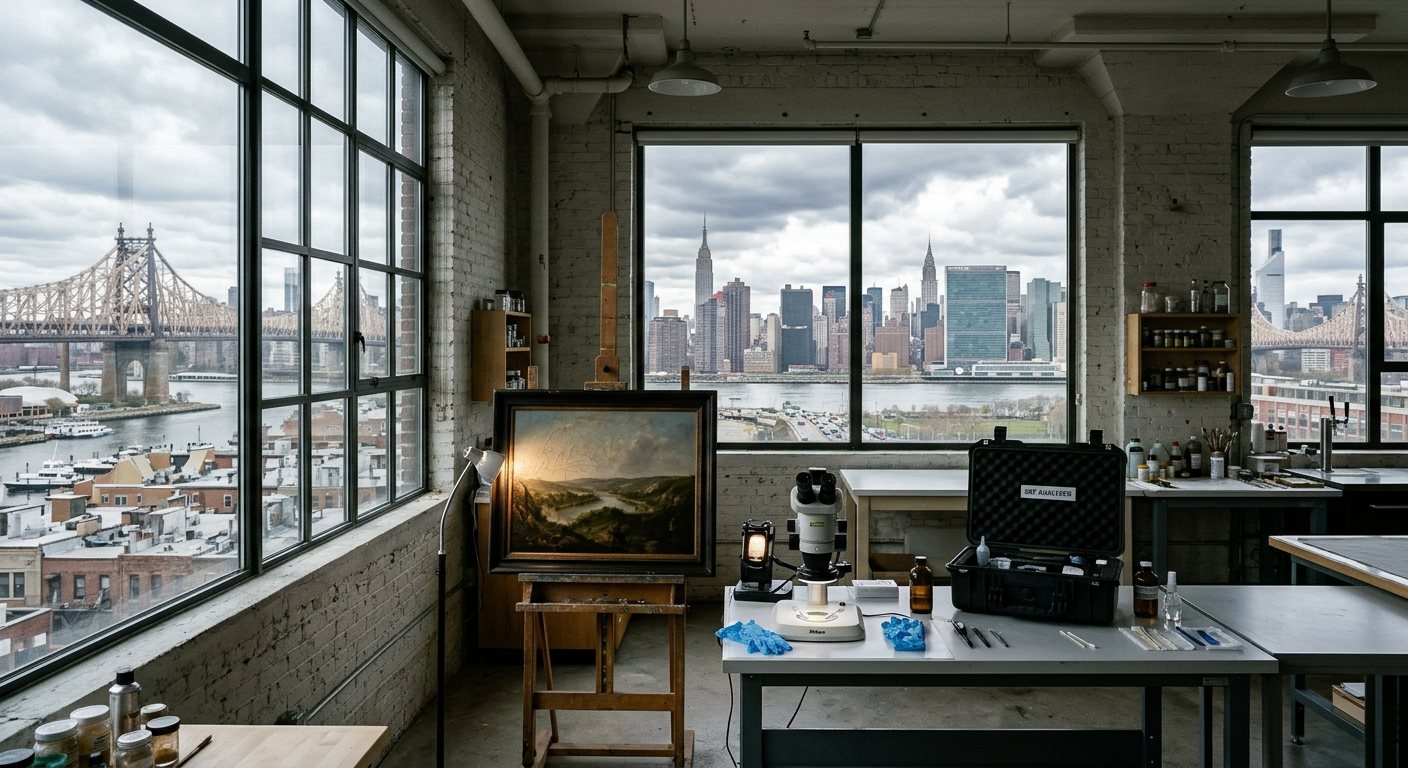
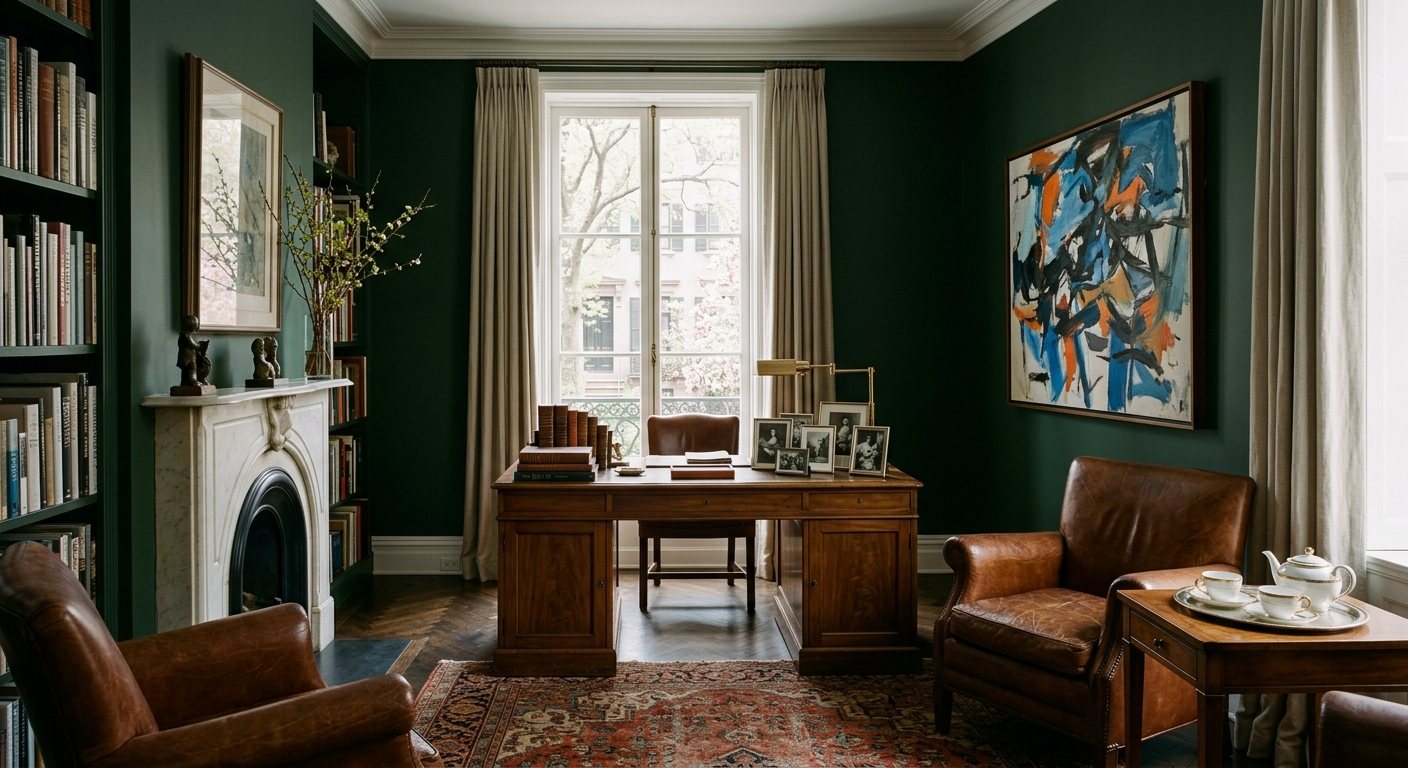
Places
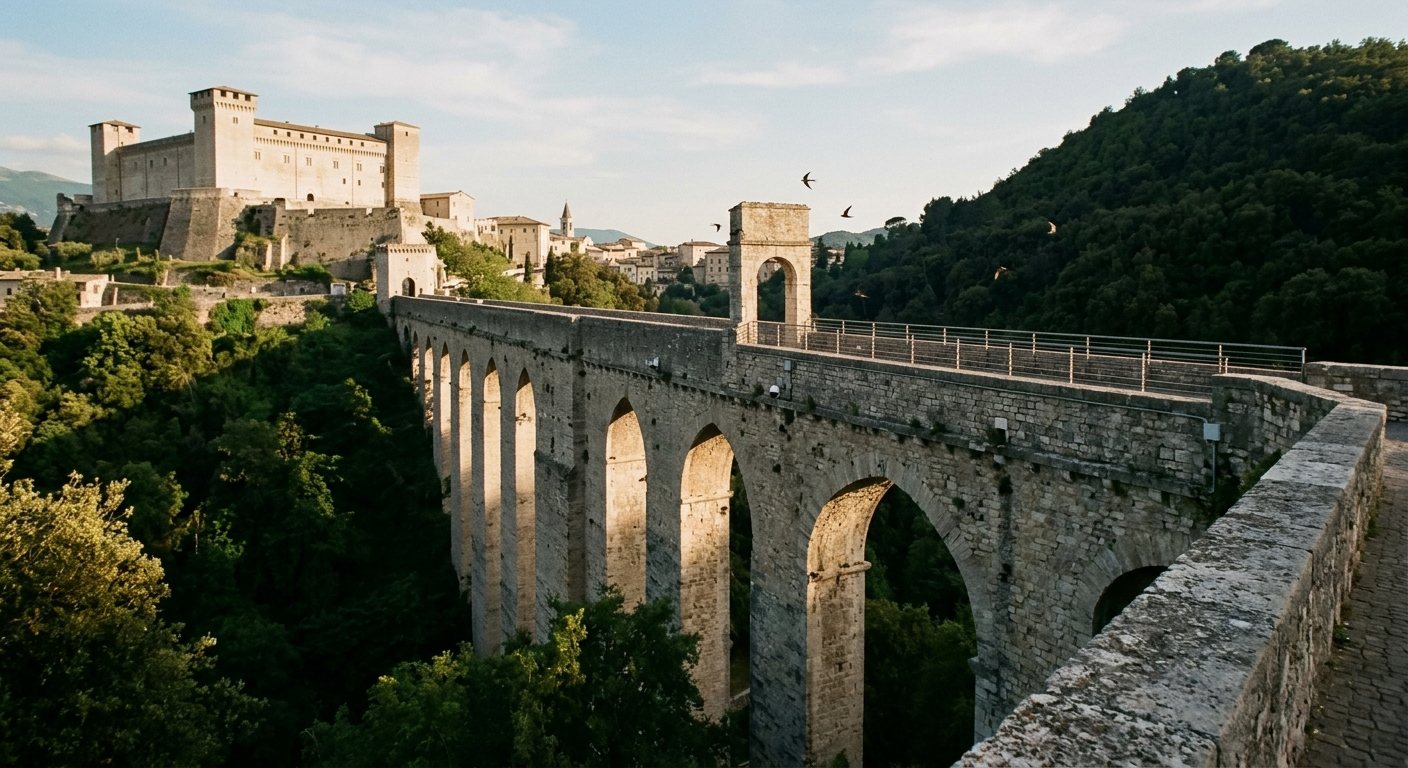
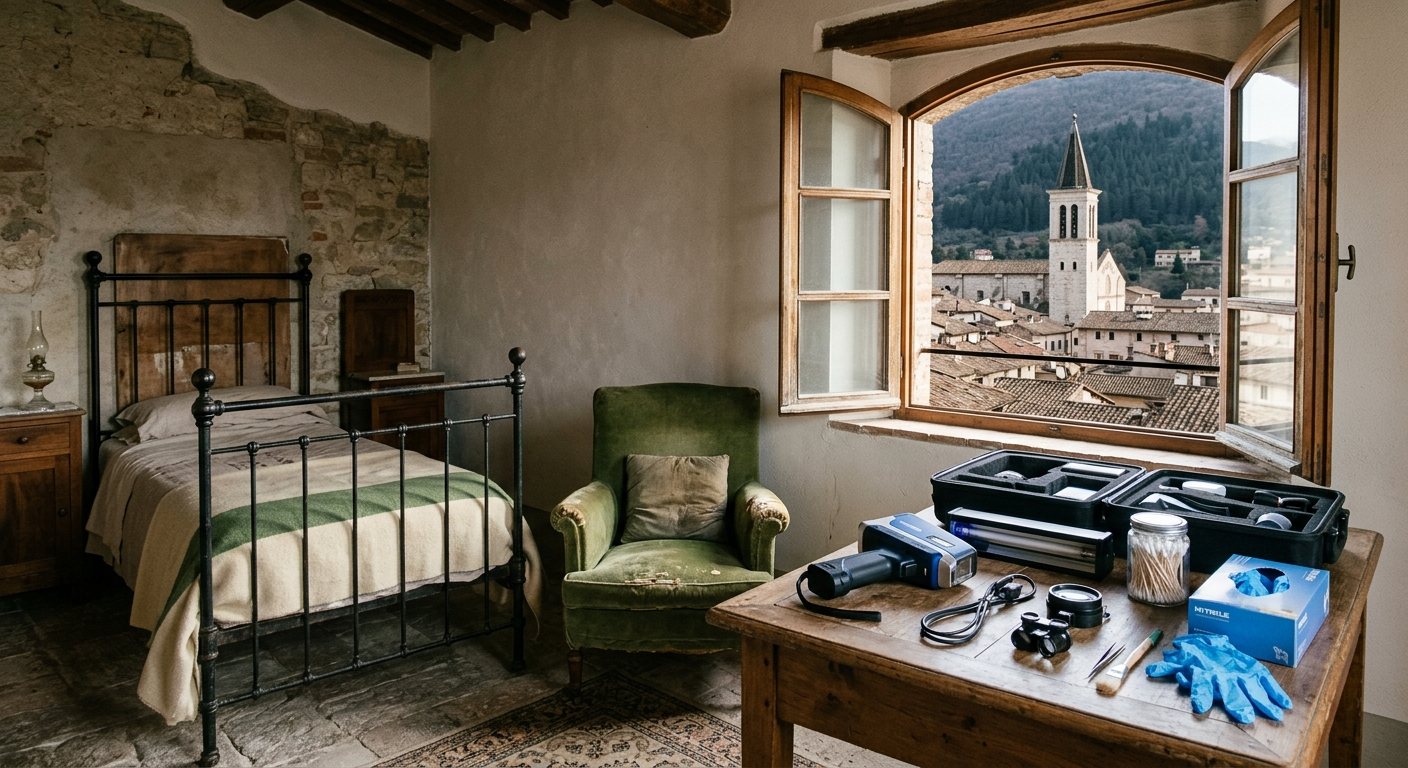
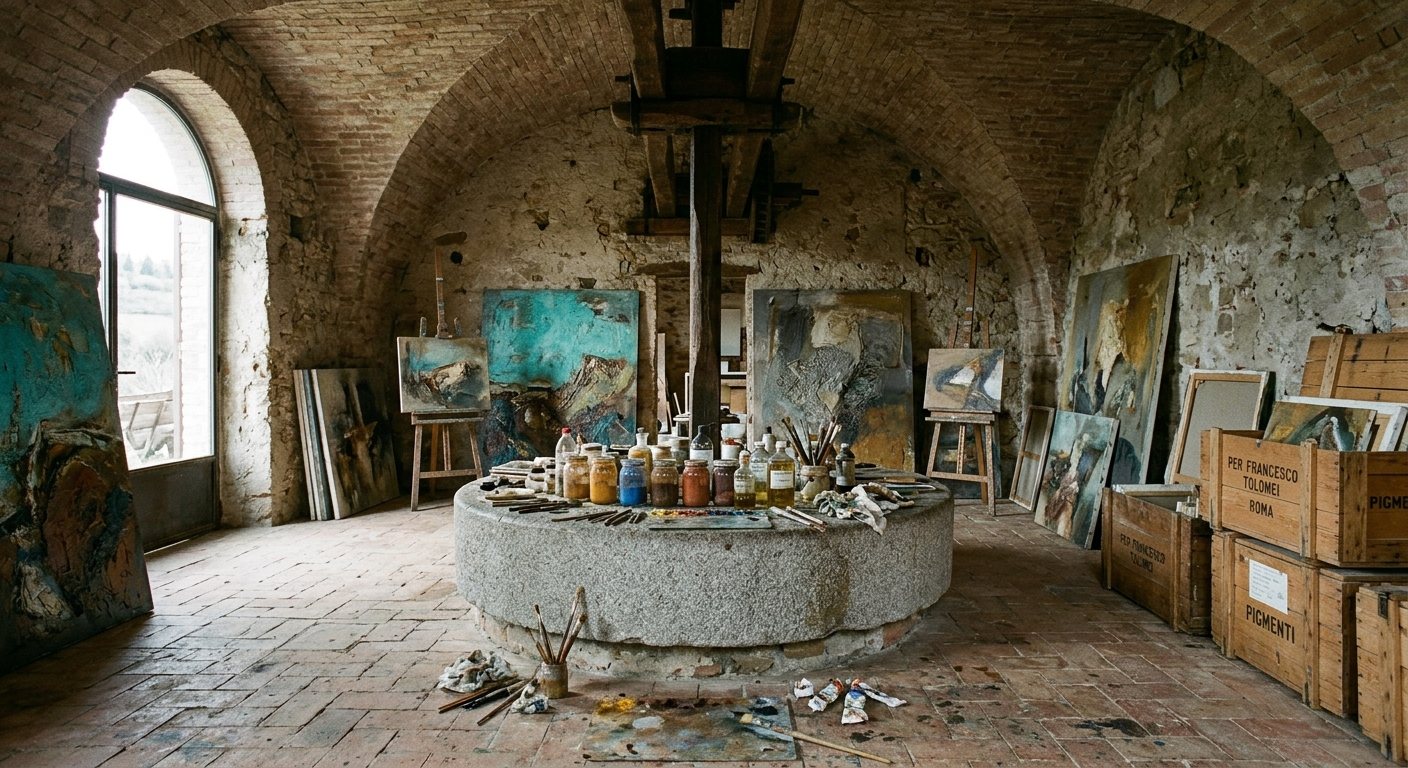
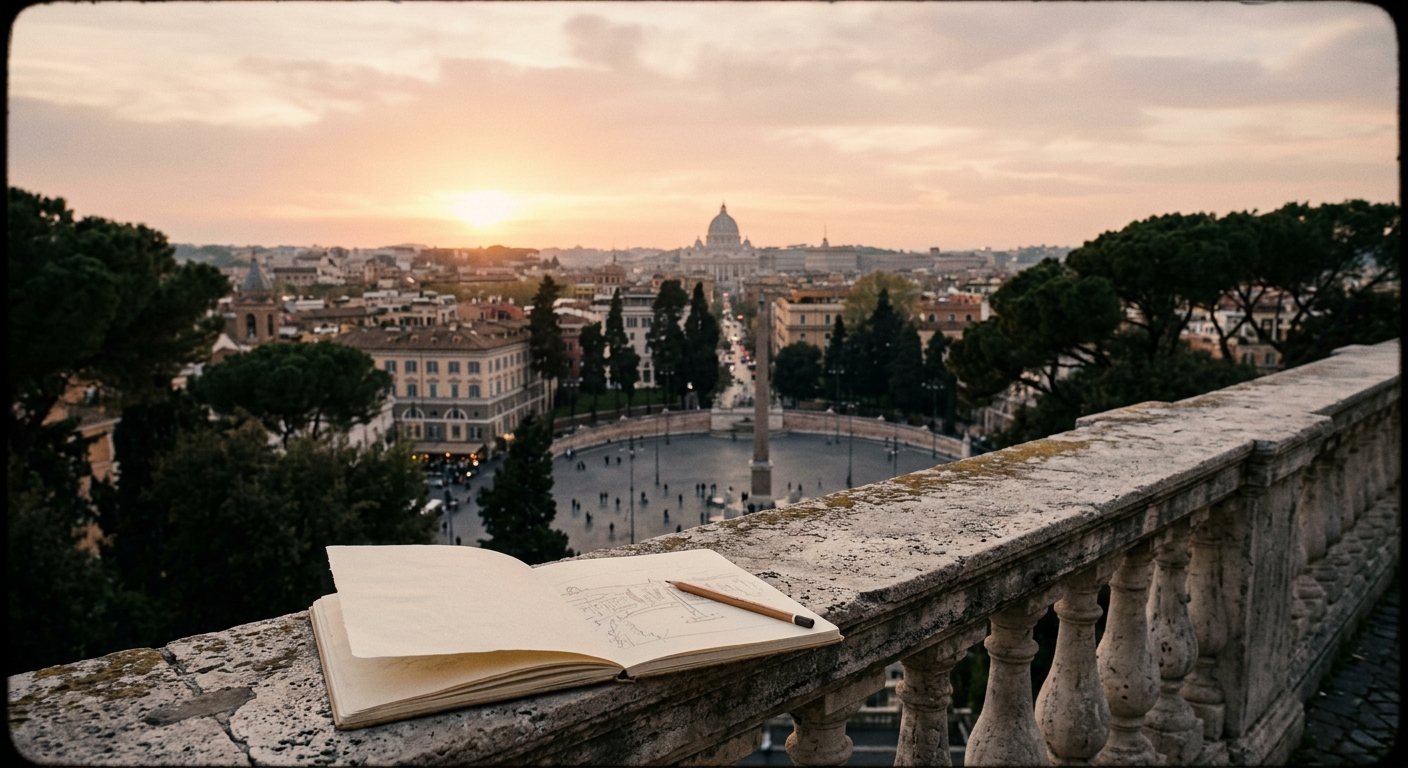
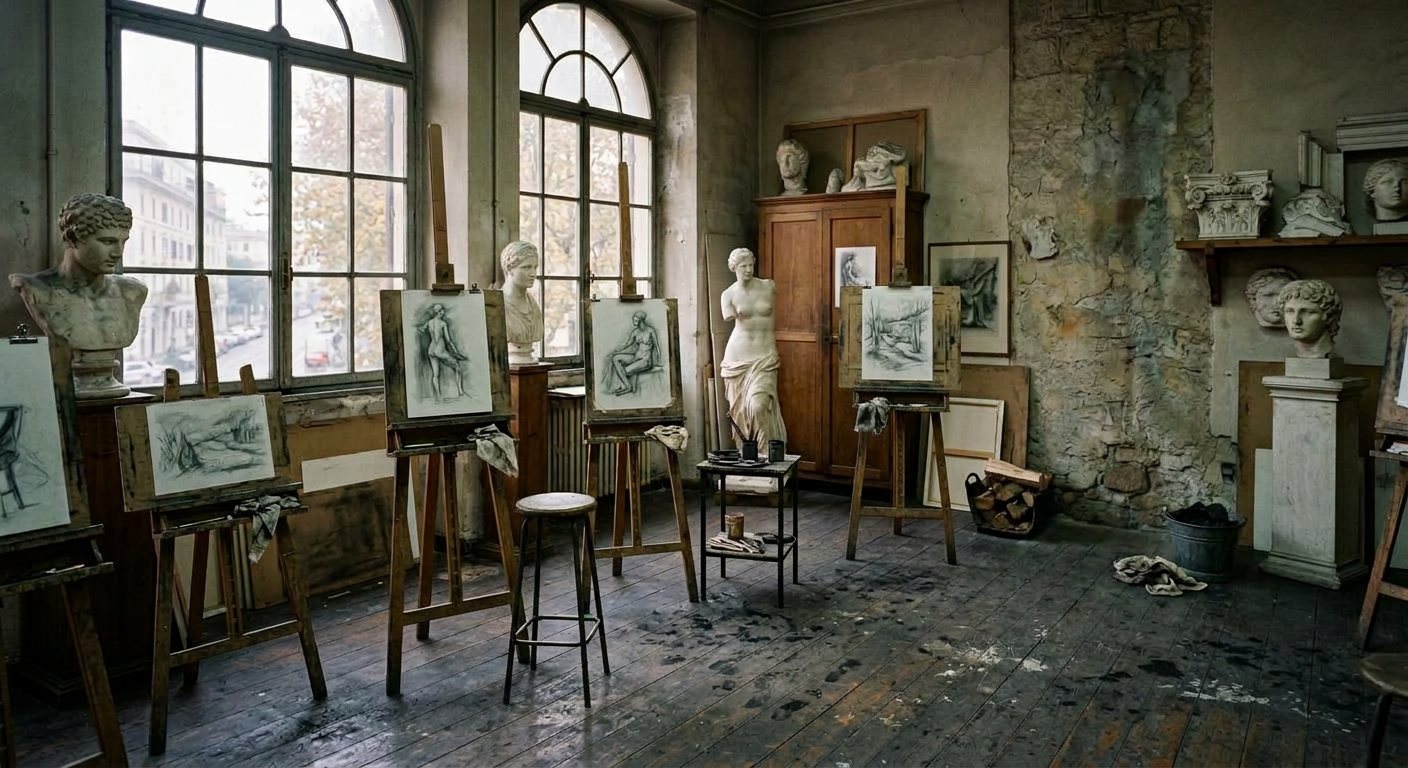
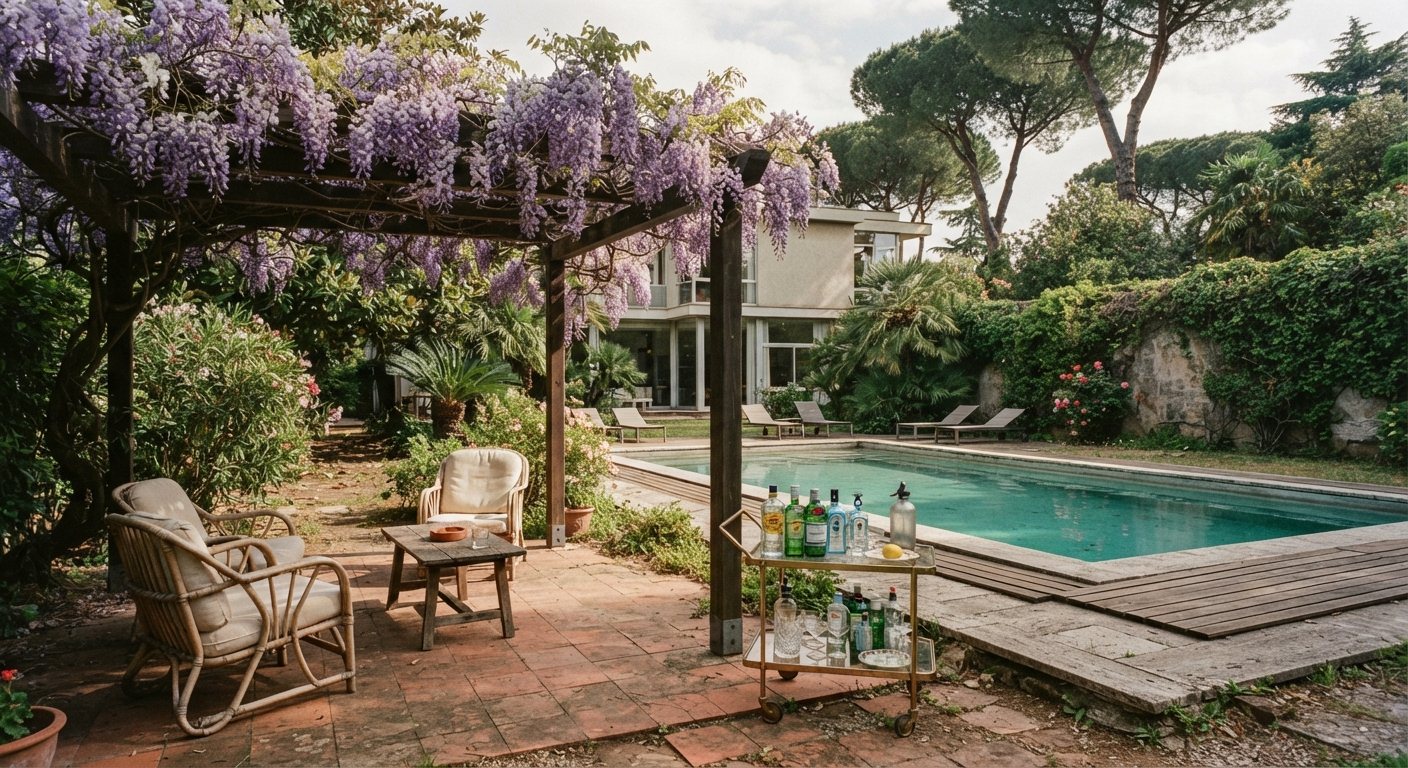
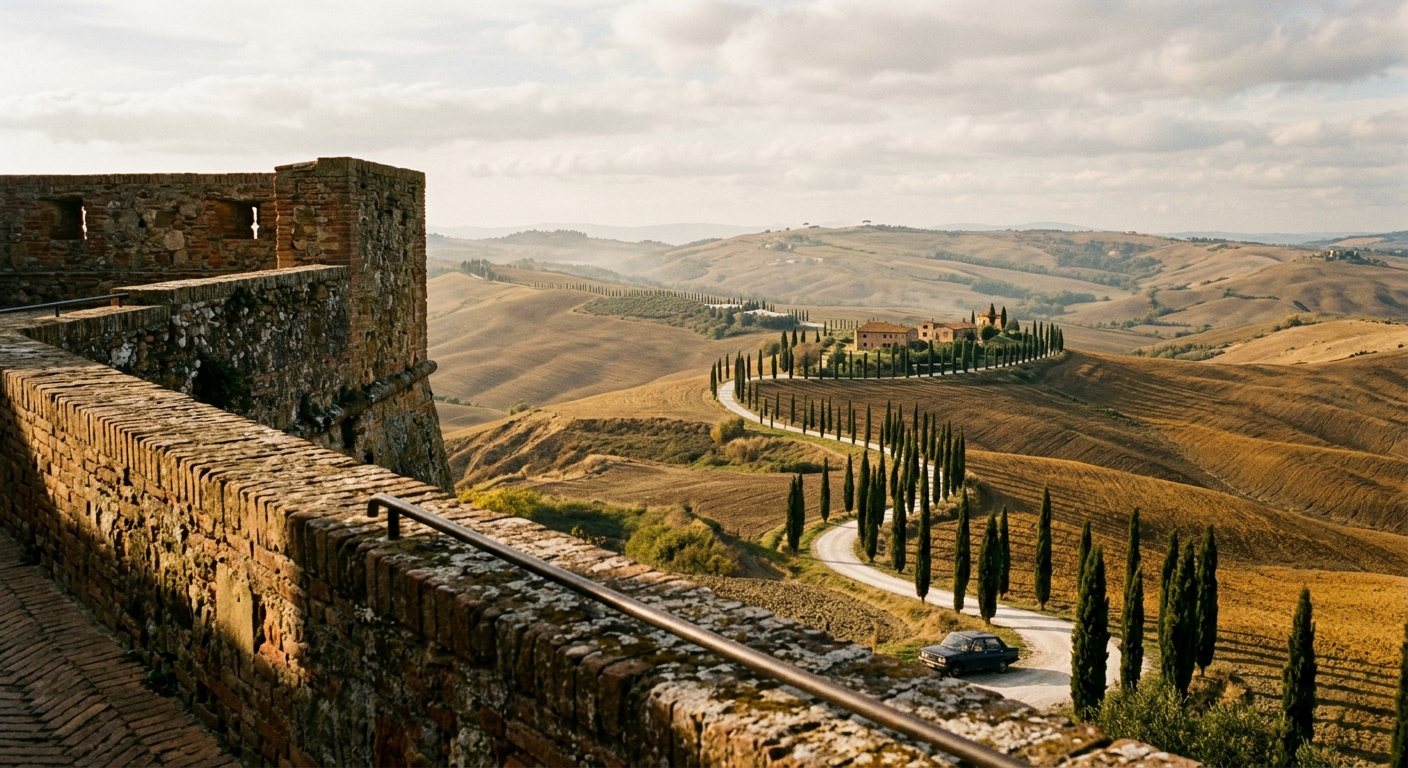

Behind the book
YInMn blue was discovered by accident in a lab at Oregon State University, the first new inorganic blue in more than two centuries. It only reached painters in the last few years. A pigment with a birth date is a forger's worst enemy.
In 2011 one of America's oldest galleries closed its doors in New York: for fifteen years it had sold, as Rothkos and Pollocks, paintings made in a garage in Queens. The art world learned that a signature can be worth more than the painting.
The Barry Flanagan exhibition at Palazzo Collicola, with his bronze hares, and the Night of Museums on May 23 are real: the novel begins on exactly those days.
“When I first started thinking about this book, I wanted to write a thriller without a single death. Then the story started making its own decisions.”
— Mark Hojens
After the last page
The letters from the box, the clues to look for again, the true story that mirrors the novel: everything that can't be said before, on a page of its own.
About the author
Mark Hojens is Italian and lives in Brazil. He writes in Italian and also publishes in the United States, in English.
He has always had more stories in his head than time to write them: for years they stayed notes, dreams, single scenes in a notebook. Now, with the help of artificial intelligence, those ideas have become finished novels and real images: the characters' faces, the places, the covers. The stories, the choices, and the responsibility for every page remain his own.
He is also the author of Welcome Company. All books
Available now
Kindle and paperback, on Amazon (Italian edition). The English edition is in the works.
An email now and then, with news and the letters from the box. Subscribers get the first letter from the box right away.
By subscribing you accept the privacy policy. You’ll get an email to confirm; you can unsubscribe at any time.